- April 5, 2018
- Posted by: admin
- Category: Software Development Company
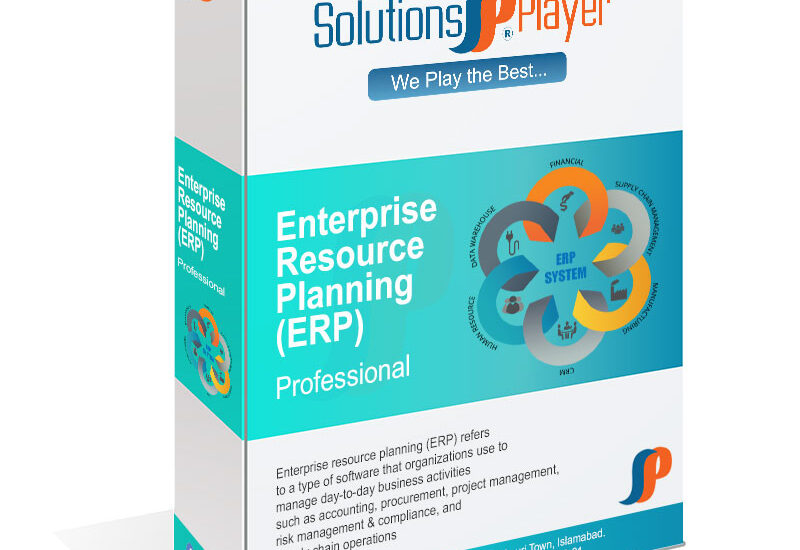
Enterprise Resource Planning, commonly known as ERP, is incredibly important for modern businesses. It is a fundamental software system that integrates and manages a company’s core business processes. This integration brings together essential functions like finance, human resources, manufacturing, supply chain, and sales into a single, unified system. Ultimately, an ERP system acts as the central nervous system for an organization.
The Impact of ERP in Business
An ERP system delivers significant value by streamlining operations and providing better insights for decision-making. It centralizes all data into a single source of truth. This eliminates information silos, ensuring that everyone in the organization is working with accurate, consistent, and up-to-date data. This data centralization is critical for efficient operations.
The system greatly improves operational efficiency. It achieves this by automating a wide range of routine and repetitive tasks. Automation reduces the reliance on manual data entry across multiple disparate systems, which significantly minimizes human error. This streamlining of workflows leads to higher productivity and faster task completion across all departments.
Furthermore, an ERP system dramatically enhances business decision-making. By providing access to real-time data and comprehensive reporting tools, managers can quickly gain a holistic view of the company’s performance. This deep, instant visibility into critical metrics allows leaders to identify bottlenecks, address issues as they arise, and make faster, more informed, data-driven decisions. The system’s advanced analytical and forecasting capabilities further support strategic planning and risk management.
Essential Benefits for a Modern Company
The implementation of an ERP system results in numerous tangible benefits that contribute to a company’s growth and competitive advantage. One major benefit is better financial management. ERP automates accounting processes like invoicing and reporting, speeding up the financial close and providing a clear, real-time picture of financial health. This leads to improved cash flow and cost savings.
It is also vital for improving supply chain and inventory management. An ERP system provides end-to-end visibility into the supply chain, from procurement to logistics. This helps businesses optimize inventory levels, reduce overstocking or stockouts, and manage supplier relationships more effectively. The result is better customer service and faster order fulfillment.
Moreover, the system enhances compliance and security. By standardizing processes and centralizing data with controlled access, an ERP helps a company adhere to regulatory requirements and industry standards. It provides audit trails and built-in controls, which help in managing risk and protecting sensitive information. An ERP system is also scalable and flexible, meaning it can grow and adapt with the business as it expands or as new functional needs arise.
Read also about leading IT firms.